

Uncategorized
Sensitive Skin Facial: What Actually Helps
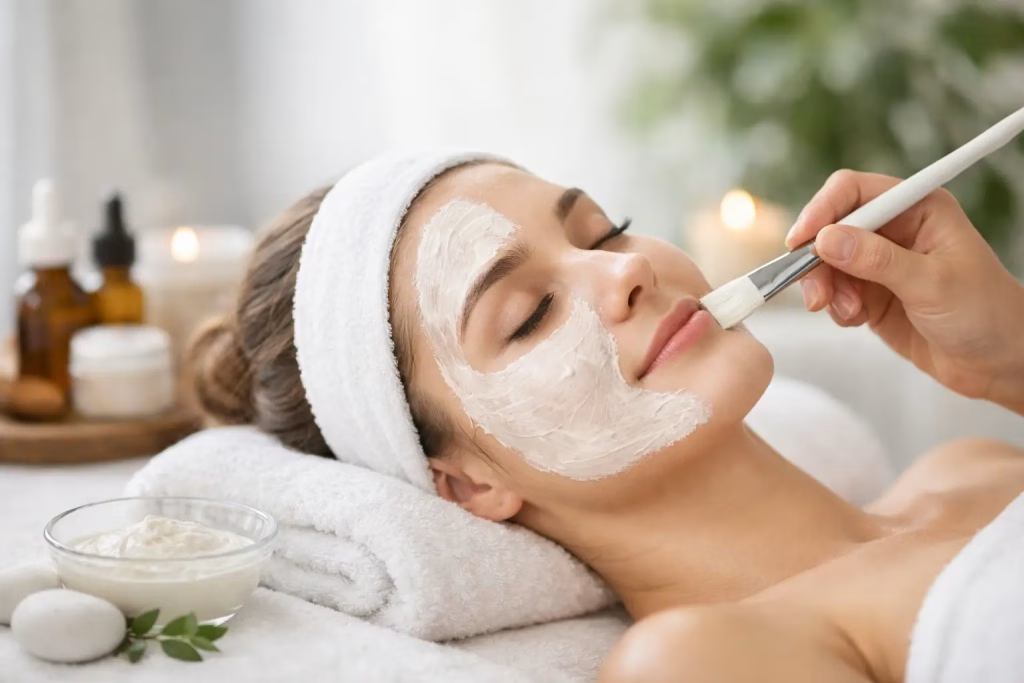
Redness after a basic facial is often brushed off as normal. For genuinely reactive skin, it is not. A sensitive skin facial should leave the complexion calmer, more balanced, and more comfortable than before – not tight, flushed, or overstimulated.
That distinction matters because sensitive skin is not one single condition. Some people flush easily, some sting when they apply active skincare, and others deal with dryness, rosacea-prone skin, or a weakened skin barrier after over-exfoliation. When the skin is already reactive, the wrong facial can turn a maintenance appointment into days of irritation.
What makes a sensitive skin facial different
A well-designed sensitive skin facial is less about aggressive correction and more about controlled support. The goal is to respect the skin barrier while improving hydration, comfort, and visible calm. That usually means fewer harsh steps, more attention to ingredient selection, and a treatment plan that is adjusted in real time based on how the skin responds.
This is where many facials fall short. Treatments marketed as relaxing can still include strong acids, abrasive scrubs, fragranced masks, or heavy-handed extraction. Those choices may be tolerated by resilient skin, but they can overwhelm skin that is already prone to redness or inflammation.
A more suitable approach prioritizes gentle cleansing, low-irritation exfoliation if appropriate, hydration, and techniques that reduce rather than provoke sensitivity. In a clinical setting, this may also include device-based treatments chosen specifically for barrier repair, inflammation control, and skin recovery.
Who should consider a sensitive skin facial
If your skin frequently feels hot, itchy, tight, or reactive, you are likely a candidate for a more thoughtful facial approach. The same applies if you notice persistent redness, sudden sensitivity to products you once tolerated, or flare-ups after sun exposure, stress, travel, or overuse of retinoids and exfoliating acids.
Sensitive skin can also overlap with acne, dehydration, or early aging concerns. That is why a one-size-fits-all facial rarely works well. Someone with dry, sensitized skin needs a very different treatment strategy from someone with oilier skin that is acne-prone but still reactive.
In practice, the best results come from personalization. Skin that appears red may be inflamed, dehydrated, over-exfoliated, or vascularly reactive. Those are not the same problem, and they should not be treated as though they are.
The best sensitive skin facial is not always the most intensive
There is a common assumption that stronger treatment means better treatment. For sensitive skin, that is often the opposite of what delivers visible improvement. When the barrier is compromised, pushing the skin harder can increase transepidermal water loss, prolong redness, and create a cycle of irritation that makes every product feel uncomfortable.
A carefully paced facial can still be results-driven. Hydration can improve luminosity. Reducing inflammation can soften the look of uneven tone. Supporting the barrier can make pores appear less obvious and skin texture more refined. These changes may look subtle after one visit, but they are often more meaningful and longer lasting than the temporary brightness that follows an overly aggressive treatment.
What to look for in a sensitive skin facial
The first sign of a quality treatment is assessment. Before anything touches the face, the provider should want to know what your skin reacts to, what you are using at home, whether you have rosacea or eczema tendencies, and how your skin behaves during weather changes, menstrual cycles, or stressful periods.
From there, the facial itself should be built around skin tolerance. Gentle cleansing is expected. Exfoliation, if included, should be mild and purposeful rather than automatic. Steam may be minimized or skipped if heat worsens flushing. Extractions should be selective, not routine. Masks and serums should focus on replenishing hydration and reducing visible irritation.
Technology can also have a place, but only when chosen carefully. Certain treatments are designed to support healing, improve circulation in a controlled way, or calm inflammation without creating additional trauma. Others may be too stimulating for active sensitivity. This is where clinical judgment matters more than trend appeal.
Ingredients and steps that often work well
For most reactive skin, the treatment should center on barrier-supportive, non-irritating ingredients. Hyaluronic acid, ceramides, panthenol, beta-glucan, centella asiatica, and carefully formulated peptides are commonly well tolerated. These ingredients help replenish moisture, support repair, and reduce the feeling of tightness or discomfort.
Mild enzyme exfoliation may suit some clients, especially when dullness and congestion are present, but even then, the strength and contact time matter. Sensitive skin does not always need no exfoliation – it needs the right amount.
Cooling and calming steps are also valuable. This can include soothing masks, low-irritation hydration infusions, and techniques that reduce heat in the skin. If the skin is visibly inflamed, comfort should take priority over dramatic immediate resurfacing.
What a sensitive skin facial should avoid
Not every trendy step belongs in a treatment for reactive skin. Strong acid peels, rough physical scrubs, highly fragranced products, excessive massage pressure, prolonged steam, and aggressive extractions can all push sensitive skin past its comfort threshold.
Even popular brightening or anti-aging ingredients can be problematic when the skin barrier is unstable. Vitamin C, retinoids, and exfoliating acids are not inherently bad, but during a flare or recovery period, they may need to be reduced or temporarily removed from the treatment plan.
This is one of the most overlooked trade-offs in aesthetics. Chasing immediate glow can interfere with long-term skin stability. For sensitive skin, the better strategy is often to restore resilience first, then introduce more corrective treatments once the skin is ready.
In-clinic options for sensitive skin facial care
Professional care becomes especially valuable when sensitivity is persistent or linked to broader concerns such as rosacea, dehydration, post-laser recovery, or inflammation after active skincare. In those cases, a doctor-led or clinically supervised environment allows the treatment to be selected with more precision.
For example, hydrating facial technologies may suit clients who need deep cleansing and infusion without the harshness of manual exfoliation. Low-intensity ultrasound-based options can also be used in some settings to support skin recovery and reduce inflammation. The exact choice depends on what is driving the sensitivity, not just what the skin looks like on the day.
At a premium clinic, this is where the experience should feel different. The facial is not simply a menu item. It is part of a broader skin strategy that considers your barrier health, trigger patterns, lifestyle, and aesthetic goals. That level of personalization is especially valuable for clients who have tried multiple facials elsewhere and left more irritated than improved.
How to prepare for your appointment
If you are booking a sensitive skin facial, a little preparation can help your provider treat the skin more safely. A few days before the appointment, it is wise to pause strong actives such as retinoids, exfoliating acids, and any product that has recently caused tingling or redness. Arriving with a calm baseline makes it easier to judge what your skin truly needs.
It also helps to be honest about your habits. If you have been layering acids, using prescription acne medication, or trying every viral skincare product at once, say so. The more complete the picture, the more refined the treatment can be.
Aftercare matters as much as the facial itself
Even an excellent sensitive skin facial can be undermined by poor aftercare. The skin is more receptive after treatment, but that does not mean it should be bombarded with actives. For the next few days, keep your routine simple. Use a gentle cleanser, a nourishing moisturizer, and daily sunscreen. Skip scrubs, acids, retinoids, and heat-heavy activities if your provider advises it.
This quiet recovery period is where many clients notice the real benefit. Instead of that familiar post-facial sting, the skin feels settled, hydrated, and less reactive. Over time, repeated barrier-friendly treatments can help sensitive skin become more predictable and easier to manage.
When to seek expert advice
If your skin burns with basic products, stays red for long stretches, or never seems to recover after facials, it is worth getting a professional assessment rather than booking another generic treatment. Chronic sensitivity can reflect rosacea, dermatitis, barrier damage, or a mismatch between your skin goals and the treatments you have been choosing.
In a medically informed setting such as Kelly Oriental Aesthetic Clinic, that conversation can move beyond trial and error. The right facial is not about doing more. It is about understanding exactly how much your skin can benefit from, and building from there.
Sensitive skin responds best to care that is measured, elegant, and precise. When a facial is designed with that philosophy, comfort and results no longer have to compete.
