
Uncategorized
Acne Scar Treatment Before After Results
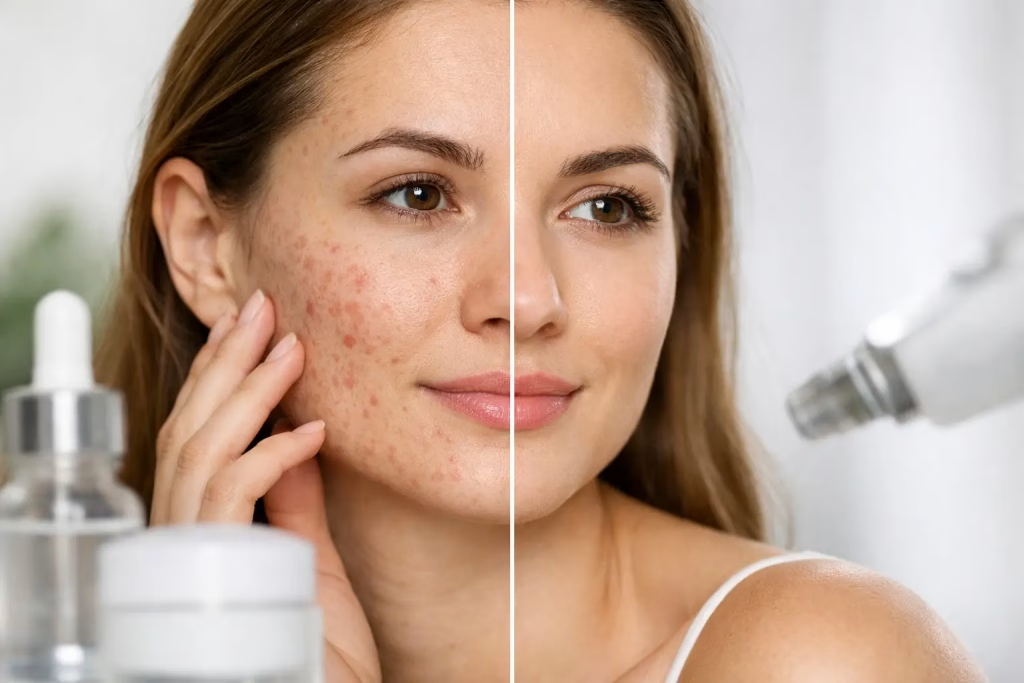
A single before-and-after photo can be persuasive, but acne scar treatment before after results are rarely about one session, one device, or one universal solution. The real story sits in the details – scar type, skin tone, inflammation history, collagen response, and how carefully the treatment plan is tailored over time.
For anyone considering treatment, that distinction matters. Acne scars can be emotionally persistent long after breakouts have settled, and while meaningful improvement is very possible, the best outcomes usually come from a curated approach rather than a quick fix. Clear expectations, expert assessment, and the right sequence of treatments tend to shape results far more than any dramatic image on its own.
What acne scar treatment before after photos can and cannot show
Before-and-after photos are useful, but they compress a complex process into two frozen moments. They can show smoother texture, softer shadowing, reduced depth, and more even skin quality. They cannot fully show how many sessions were needed, whether lighting changed, how makeup may affect the image, or whether redness and swelling were still settling when the after photo was taken.
This is why clinically credible assessment matters. A patient may see a 40 percent improvement in rolling scars and feel thrilled because makeup applies more evenly and skin looks fresher in daylight. Another may see subtle structural change after one session and feel discouraged because expectations were set around perfection rather than progress. In acne scar treatment, visible improvement is realistic. Total erasure usually is not.
Why results vary so much from person to person
The phrase acne scar treatment before after sounds straightforward, yet acne scarring is not one condition. It is a category that includes different scar shapes, depths, and patterns. Ice pick scars behave differently from boxcar scars. Rolling scars often need a different strategy from post-acne discoloration. Some patients also have enlarged pores, lingering redness, or pigmentation that makes scars appear worse even when the skin surface has improved.
Skin tone also influences planning. In deeper skin tones, energy-based treatments need thoughtful settings and pacing to reduce the risk of post-inflammatory hyperpigmentation. In sensitive or reactive skin, the barrier may need to be stabilized before more intensive procedures begin. The treatment journey should fit the skin in front of the practitioner, not a generic protocol.
Collagen remodeling adds another variable. Two people can undergo the same procedure and heal differently. Age, lifestyle, inflammation, sun exposure, and home care all influence how dramatically the skin responds. That is one reason experienced clinics focus on personalized treatment plans instead of promising identical outcomes.
The treatments commonly used for acne scars
Most meaningful scar improvement comes from combining modalities. A doctor-led plan may include energy-based resurfacing, collagen stimulation, targeted subcision for tethered scars, skin boosters to improve overall skin quality, or supportive treatments that calm inflammation and optimize recovery.
Laser treatments are often chosen when texture refinement is a priority. Pico Laser, for example, may be used in selected cases to support skin renewal and improve tone and texture with relatively controlled downtime. Microneedling-based approaches and radiofrequency technologies can also help stimulate collagen, especially for broader textural concerns. For depressed scars caused by fibrous bands pulling the skin downward, subcision may be essential because resurfacing alone cannot fully release the tethering.
That is the nuance many patients miss when browsing online galleries. A strong result may not come from one hero treatment. It may come from a layered plan that addresses depth, contour, pigment, and skin quality in stages.
What to expect in acne scar treatment before after timelines
One of the biggest misconceptions is timing. Patients often expect the after phase to happen quickly, but collagen remodeling is gradual. Some treatments show early brightness or mild textural improvement within a few weeks, while deeper scar revision may unfold over several months.
Immediately after treatment, the skin can look worse before it looks better. Redness, temporary swelling, dryness, or a sandpaper-like texture can occur depending on the procedure. In some cases, swelling briefly lifts depressed scars, creating an early result that softens as healing continues. The more reliable checkpoint is often several weeks later, with cumulative improvement becoming clearer after a series of sessions.
A realistic timeline may involve three to six treatments, spaced thoughtfully, followed by reassessment. Some patients need fewer sessions for mild textural irregularities. Others with long-standing, mixed-pattern scarring may benefit from a longer course. Good medicine respects this range.
Reading before-and-after results with a more trained eye
If you are evaluating treatment photos, look beyond the obvious. Pay attention to whether the lighting is consistent, whether the angle matches, and whether the improvement appears in the actual scar depressions rather than just in overall skin glow. Texture changes around the cheeks and temples are often more telling than a brighter complexion alone.
It also helps to ask what exactly improved. Was it scar depth, redness, pore appearance, or all three? These are different outcomes. Some treatments are excellent for blending discoloration but only modest for deep atrophic scars. Others are stronger for structural remodeling but involve more downtime. A refined consultation should clarify this distinction so the after result aligns with the patient’s priority.
The trade-off between results and downtime
There is no single best acne scar treatment because every approach comes with a balance. More aggressive resurfacing may produce more visible change per session, but it can also mean longer recovery and more aftercare. Gentler options may suit busy professionals who want discreet improvement with less interruption, though they typically require more sessions.
This is where lifestyle matters. Someone with frequent public-facing meetings may prefer a staged approach with manageable downtime. Another patient may choose a more intensive session if they can accommodate recovery and want stronger momentum. Neither choice is wrong. The right plan is the one that respects both the skin’s biology and the patient’s routine.
In a premium clinical setting, this conversation should feel guided rather than pressured. The goal is not simply to recommend technology. It is to design a treatment pathway that is medically sound, aesthetically intelligent, and practical for real life.
Why a personalized consultation matters more than a trending treatment
Acne scars are often layered with concerns that patients describe in broader terms such as dullness, roughness, enlarged pores, or skin that no longer looks smooth under makeup. A thorough assessment can separate what is true scarring from dehydration, active acne, congestion, or pigmentation. That distinction changes the treatment plan.
At a clinic such as Kelly Oriental Aesthetic Clinic, the value of consultation lies in precision. Doctor involvement helps identify the dominant scar type, assess whether combination treatment is necessary, and sequence procedures in a way that supports safer, more elegant outcomes. In many cases, treating active acne first is just as important as treating the scars themselves. Without inflammation control, new scarring can continue while old scars are being addressed.
Patients who do best are often those who understand that acne scar revision is a journey of refinement. Skin can become smoother, softer, and more even. Shadows can reduce. Confidence can return. But the best transformations usually happen through consistency, not urgency.
How to set realistic expectations for your own before and after
A good result is not always dramatic in a social media sense. Sometimes it means skin that catches less harsh light. Sometimes it means scars that no longer dominate the face in conversation. Sometimes it means feeling comfortable leaving the house without heavy coverage.
If you are considering treatment, frame success in terms of meaningful improvement rather than flawless skin. Ask what percentage of improvement is realistic for your scar type, how many sessions may be needed, what downtime to expect, and how your skin tone affects treatment choice. Those questions lead to better decisions than chasing the most dramatic photo online.
The most reassuring acne scar treatment before after results tend to come from a plan that is honest from the start – one that explains the limits, respects the skin, and builds visible progress with care. When treatment is personalized and expectations are grounded, the after image is not just smoother skin. It is a patient who feels more at ease in it.
If acne scars have been shaping how you see your skin for years, the next step does not have to be aggressive or rushed. It simply needs to be thoughtful, clinically guided, and designed around the version of progress that will feel genuinely worthwhile to you.
