
Uncategorized
How to Treat Double Chin: Your Best Options
Jul
A double chin can change the way the lower face appears in photographs, video calls, and even at rest. If you are researching how to treat double chin concerns, the most useful first step is understanding what is creating the fullness: excess fat, skin laxity, facial anatomy, or a combination of all three. The most refined results come from treating the right cause rather than pursuing a one-size-fits-all solution.
For many people, the area beneath the chin is remarkably resistant to diet and exercise alone. Genetics, age-related collagen loss, posture, and the natural structure of the jaw can all play a role. A thoughtful aesthetic plan should respect your facial proportions while bringing greater definition to the chin, jawline, and neck.
How to Treat Double Chin Based on Its Cause
The term “double chin” describes a look, not a single diagnosis. During a professional assessment, a provider considers the amount and location of submental fat, the quality of the skin, the position of the chin and jaw, and how the neck transitions into the face. This distinction matters because a treatment that reduces fat may not adequately address loose skin, while skin tightening alone may have limited effect when there is significant fullness.
Submental fat is often soft and pinchable beneath the chin. It may be present at a stable weight and can be largely genetic. Skin laxity, on the other hand, tends to create a softer, less defined contour through the lower face and neck. It becomes more common as collagen and elastin decline with age. Some patients have a relatively recessed chin or less prominent jawline, which can make even a modest amount of fullness appear more noticeable.
An experienced medical aesthetic provider can identify which concern is dominant and recommend whether you are likely to benefit from fat reduction, collagen stimulation, structural refinement, or a carefully sequenced combination.
Can Lifestyle Changes Reduce a Double Chin?
If weight gain has contributed to fullness under the chin, gradual weight management can improve the area. Consistent movement, balanced nutrition, adequate sleep, and sustainable habits support overall body composition and skin health. However, spot reduction is not possible. Chin exercises, massage tools, and facial yoga may improve awareness of posture or create a temporary sense of muscle engagement, but they do not selectively dissolve fat cells beneath the chin.
Lifestyle changes are still valuable because they help preserve aesthetic results and support long-term wellness. Yet it is realistic to recognize their limits. A person at a healthy, stable weight may still retain a double chin due to inherited fat distribution or skin quality. In those cases, a medical treatment can offer a more targeted approach.
Injectable Fat Reduction for a More Defined Profile
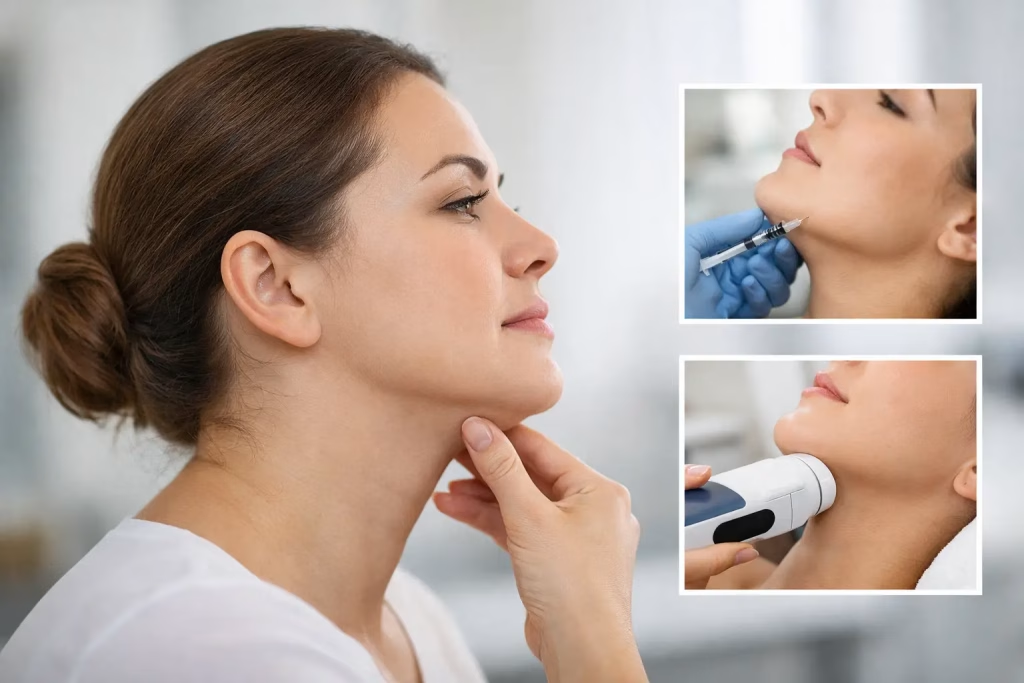
Deoxycholic acid injections are designed to reduce small, localized pockets of fat beneath the chin. The medication disrupts fat cells, which are then naturally cleared by the body over time. Once those cells are removed, they do not regenerate, although remaining fat cells can still enlarge with significant weight gain.
This approach is best suited to patients with a defined pocket of submental fat and reasonably good skin elasticity. Treatment is typically performed as a series, with appointments spaced several weeks apart, because contour changes develop gradually. Swelling is expected and can be pronounced during the first few days after treatment, so it is worth planning around important social or professional commitments.
The appeal of injectable fat reduction is its precision and lack of surgery. The trade-off is patience: meaningful refinement is not immediate, and the number of sessions depends on the starting volume and the contour you hope to achieve. A qualified injector should also discuss the anatomy of the area and potential risks, including temporary numbness, bruising, tenderness, and, less commonly, temporary weakness affecting the lower lip.
Energy-Based Treatments for Loose Skin Under the Chin
When laxity is the primary concern, energy-based treatments can support firmer, more lifted-looking skin by stimulating collagen remodeling. These treatments deliver controlled energy into targeted tissue layers, encouraging the body to build new collagen over the weeks and months that follow.
Ultrasound-based lifting treatments may be considered when the goal is to address deeper structural support beneath the chin and along the jawline. Radiofrequency treatments, including technologies such as Thermage, can be appropriate for patients seeking a non-surgical approach to skin tightening and collagen renewal. The best choice depends on the degree of laxity, tissue thickness, comfort preferences, downtime tolerance, and whether fat reduction is also needed.
Results from collagen-stimulating treatments are progressive rather than overnight. Some patients notice early tightening, while the more visible change generally develops as new collagen forms. This makes them well suited to those who prefer a subtle evolution in their appearance, though they are not a substitute for surgery when there is substantial skin excess or pronounced neck banding.
Combining Treatments for a More Complete Result
Many double chin concerns are layered. There may be localized fat beneath the chin, mild skin laxity, and a jawline that would benefit from greater support. In these cases, combining modalities can be more effective than relying on one treatment alone.
For example, a provider may first reduce unwanted submental fat and later use an energy-based treatment to support skin firmness. In selected cases, chin or jawline filler can improve facial balance and create a sharper transition between the face and neck. This does not remove fat, but thoughtful structural enhancement can make the profile appear more proportionate.
Timing matters. Treatments should be spaced to allow swelling to settle and tissue response to become clear. A bespoke plan also avoids overtreatment, which is essential in an area where refined, natural-looking definition is often the goal. The aim is not to create an unnaturally sharp jawline, but to reveal a contour that looks harmonious from the front, side, and three-quarter view.
What to Expect During a Double Chin Consultation
A meaningful consultation goes beyond identifying a treatment. Your provider should discuss your medical history, current medications, prior aesthetic procedures, weight stability, and expectations. Photographs from multiple angles may be used to assess symmetry and establish a reliable baseline for progress.
You should leave with clarity on the proposed approach, anticipated number of sessions, recovery considerations, and the timeline for results. Ask whether your concern is primarily fat, skin laxity, or facial structure, and why a recommended treatment fits your anatomy. This conversation is especially important if you have significant loose skin, a history of difficulty swallowing, prior neck surgery, or an underlying medical condition affecting the neck area.
At a doctor-led clinic such as Kelly Oriental Aesthetic Clinic, this assessment can be the foundation of a treatment journey tailored to your features, comfort, and lifestyle. The right recommendation should feel considered rather than rushed, with safety and proportion placed ahead of trends.
Choosing a Treatment That Fits Your Goals
Non-surgical treatment can be an elegant option for mild to moderate submental fullness or early laxity. It is particularly appealing for people who want gradual improvement with little to no interruption to daily life. Still, non-surgical options have boundaries. If there is a large volume of fat, extensive excess skin, or significant muscle banding in the neck, surgical consultation may provide the most predictable degree of correction.
It is also wise to be cautious of dramatic before-and-after promises. Facial contouring is highly individual, and visible results depend on anatomy, treatment selection, and how your tissue responds. The most credible plan sets realistic expectations and prioritizes a result that remains balanced as you move, smile, and age.
A well-defined chin and jawline need not look transformed to look beautiful. With the right clinical guidance, subtle refinement can restore a sense of polish to your profile while still looking entirely like you.
