
Uncategorized
Best Facials for Dehydration and Lasting Glow
Oct
Skin that feels tight by lunchtime, looks dull beneath makeup, or suddenly shows fine lines more clearly is often asking for water, not simply more oil. The best facials for dehydration focus on restoring hydration within the skin, supporting its protective barrier, and helping it retain moisture more effectively after you leave the treatment room.
Dehydration can affect every skin type, including oily and acne-prone skin. In fact, a shine-prone complexion that feels tight, reactive, or rough can be dehydrated beneath the surface. The right facial should never overwhelm stressed skin with excessive exfoliation or heavy layers that feel comforting for an hour but do little to improve long-term balance.
Dehydrated skin is not the same as dry skin
Dry skin is a skin type marked by lower oil production. Dehydrated skin is a temporary condition caused by a lack of water in the skin. You can have dry, dehydrated skin, but you can also have oily, combination, or sensitive skin that is dehydrated.
Common triggers include air-conditioning, frequent travel, long workdays indoors, sun exposure, overuse of active ingredients, harsh cleansing, and treatments that are not spaced appropriately for your skin’s recovery needs. In a warm climate, people often mistake dehydration for oiliness and respond with stronger cleansers or more exfoliation. That can further disrupt the moisture barrier.
A thoughtful facial begins with assessment. Your therapist or aesthetic doctor should consider sensitivity, breakouts, rosacea tendencies, pigmentation concerns, current skincare, and recent aesthetic procedures before selecting the level of cleansing, extraction, exfoliation, and hydration your skin can comfortably tolerate.
What the best facials for dehydration should do
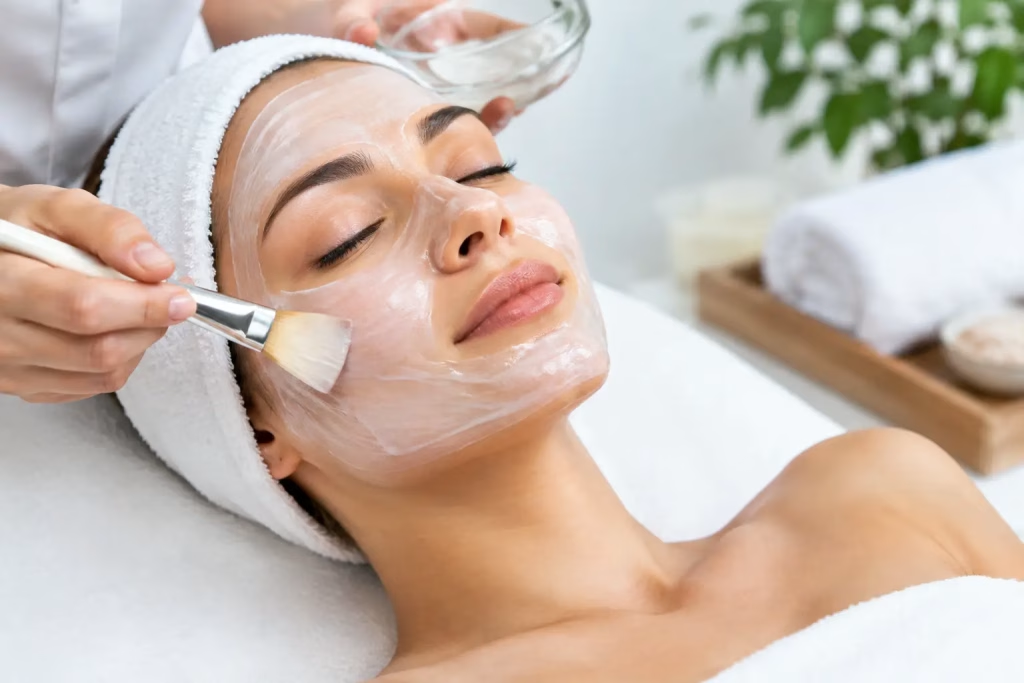
A well-designed hydration facial does more than apply a hydrating mask. It should gently remove surface buildup, replenish water-binding ingredients, calm visible irritation, and support the lipids that keep moisture from evaporating too quickly.
Look for treatments that prioritize humectants such as hyaluronic acid and glycerin, alongside barrier-supportive ingredients such as ceramides, soothing botanical extracts, and antioxidant protection where appropriate. The best results usually come from a balanced protocol rather than one aggressive step.
For very dehydrated skin, a facial may also include a cooling, calming phase. This is particularly valuable when the complexion feels warm, flushed, or reactive after prolonged sun exposure, active skincare use, or environmental stress. Hydration is not only about creating a dewy finish. It is about helping skin feel comfortable, resilient, and less easily unsettled.
Hydrafacial for congested yet dehydrated skin
Hydrafacial can be an excellent option when dehydration appears alongside clogged pores, uneven texture, or a buildup of makeup and sunscreen residue. Its multi-step approach cleanses, exfoliates, extracts, and infuses the skin with targeted hydration in one session.
The appeal is its ability to give skin a fresh, polished appearance without the prolonged redness that can follow more intensive manual extraction or resurfacing. For a busy professional, it can be particularly suitable before an event or during periods when skin looks tired but cannot accommodate significant downtime.
However, more is not always better. If your skin barrier is visibly compromised, intensely reactive, peeling, or inflamed, the exfoliation and extraction components should be adjusted conservatively. A skilled provider can tailor the protocol so that the treatment supports recovery rather than creates further stress.
LDM for sensitive, stressed, and depleted skin
Localized Dynamic Micromassage, commonly known as LDM, is a gentle ultrasound-based treatment that may be incorporated into a hydration-focused plan for skin that feels sensitive, uncomfortable, or slow to recover. It is often favored for its calming, non-invasive character and its ability to complement a broader skincare strategy.
For clients whose dehydration is connected to sensitivity, redness, or a weakened barrier, LDM can offer a quieter approach than treatments centered on resurfacing. The experience is relaxing, but its role should still be considered clinically: treatment settings and frequency should reflect your skin condition, not a one-size-fits-all schedule.
LDM is not intended to replace diligent at-home barrier care. Rather, it can be a refined addition when your skin needs support and you prefer a treatment with minimal disruption to your day.
Hydration facials with barrier-focused infusions
A customized medispa facial can be the most appropriate choice when your main concern is dehydration without substantial congestion or textural buildup. These treatments place greater emphasis on gentle cleansing, carefully chosen hydration serums, masks, and restorative finishing products.
This approach is especially valuable after travel, during periods of sleep deprivation, or when your complexion has become sensitized by weather changes or an overly ambitious home routine. The immediate result may be softer, more luminous skin, but the real objective is improved comfort and a healthier-looking surface over time.
The quality of customization matters. Fragrance-heavy products, excessive steam, abrasive scrubs, or unnecessary extractions can work against a compromised barrier. A premium facial should feel considered at every stage, with products and techniques selected for your current skin state.
Skin boosters when dehydration is persistent
If topical hydration and regular facials provide only short-lived improvement, a doctor consultation may be worthwhile. Injectable skin boosters are medical aesthetic treatments designed to improve hydration and skin quality from within. Depending on the formulation and treatment plan, they may be considered for concerns such as persistent dryness, crepey texture, fine lines, and an overall loss of radiance.
This is a different category from a conventional facial. Results develop progressively, and suitability depends on your skin, medical history, expectations, and the specific product selected. For some clients, skin boosters complement a consistent facial routine beautifully. For others, resolving irritation, adjusting active skincare, or addressing an underlying skin condition should come first.
How often should you book a dehydration facial?
Frequency depends on why your skin is dehydrated and how it responds to treatment. A single facial can give the complexion an immediate boost before a special occasion, but lasting improvement usually requires more than an occasional appointment.
For maintenance, many people benefit from a tailored facial every four to six weeks, with adjustments for seasonal changes, travel, stress, and other procedures in their aesthetic plan. If your skin is very sensitized, your provider may recommend gentler sessions at a pace that allows the barrier to recover rather than pursuing frequent exfoliation.
The most effective schedule is one that respects your skin’s signals. Persistent flaking, burning, increasing redness, or breakouts are not signs to push harder. They are reasons to reassess the treatment plan.
Make your facial results last at home
A professional facial can reset the look and feel of dehydrated skin, but daily habits determine how long that improvement lasts. Use a mild cleanser, apply hydrating products to slightly damp skin, and finish with a moisturizer that suits your skin type. During the day, sunscreen is essential, particularly when your skin has been sensitized by sun exposure or active ingredients.
Keep exfoliating acids, retinoids, and cleansing tools in proportion to your skin’s tolerance. These can be valuable parts of a well-managed routine, but using several strong actives at once is a common route to dehydration and irritation. When in doubt, simplify for a week or two and observe how your skin responds.
At Kelly Oriental Aesthetic Clinic, a personalized consultation can help distinguish dehydration from concerns that may look similar, including sensitivity, rosacea, acne, or barrier disruption. That distinction allows your facial plan to feel both indulgent and purposeful.
The most flattering glow is not a temporary sheen created by overworking the skin. It is the quiet radiance of a complexion that feels calm, hydrated, and cared for with the right level of precision.
