

Uncategorized
Aesthetic Treatment for Pigmentation Explained
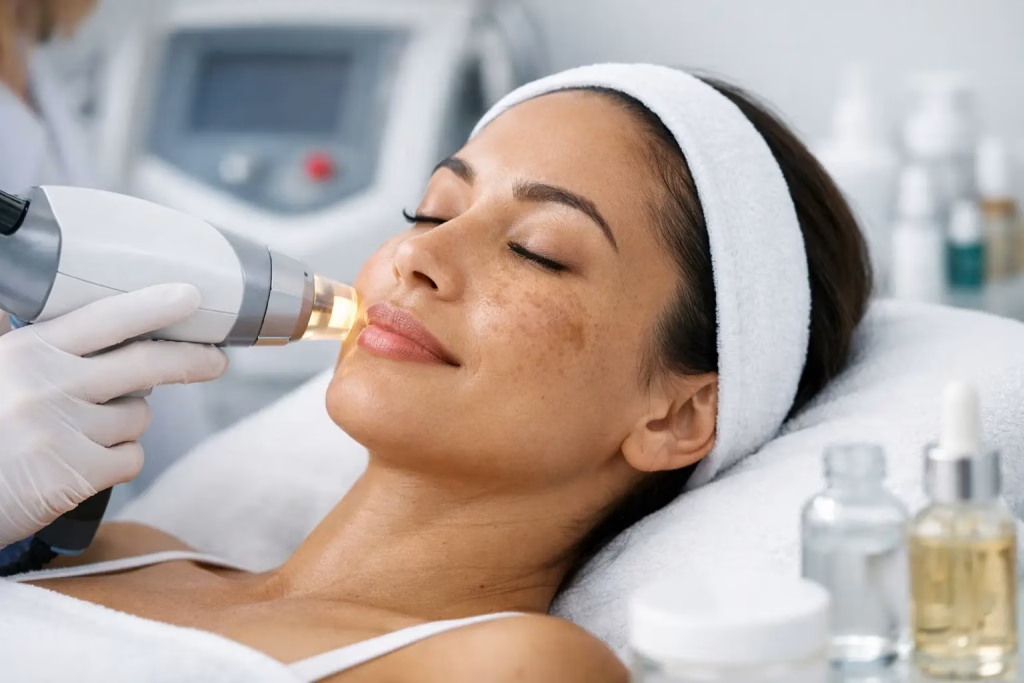
Pigmentation rarely looks the same from one person to the next. For some, it appears as faint sun spots that make the complexion look dull. For others, it shows up as melasma, post-acne marks, or patchy discoloration that lingers long after the original trigger has passed. That is why an effective aesthetic treatment for pigmentation should never be approached as a one-size-fits-all solution. The right plan depends on what kind of pigment you have, how deep it sits in the skin, and what may be continuing to trigger it.
In a clinical setting, pigmentation is not simply about color on the surface. It is often tied to inflammation, sun exposure, hormones, heat, skin sensitivity, and even the way your skin heals after breakouts or irritation. Treating it well requires precision, restraint, and a strategy that protects the skin barrier while improving clarity over time.
Why pigmentation is often harder to treat than expected
Many people assume dark spots can be removed quickly with a single laser session or brightening facial. In reality, pigmentation can be stubborn because the visible mark is only part of the issue. If the underlying trigger is still active, the pigment may return even after an initially promising response.
Melasma is a clear example. It may be influenced by hormones, ultraviolet exposure, visible light, and heat, which means even diligent skincare may not fully control it on its own. Post-inflammatory hyperpigmentation, on the other hand, often follows acne, aggressive exfoliation, or skin injury. This type can improve well, but only if ongoing inflammation is managed at the same time.
There is also the question of depth. Epidermal pigmentation, which sits closer to the surface, generally responds faster than dermal pigmentation, which is deeper and more complex. A proper assessment helps determine whether treatment should focus on lasers, topicals, maintenance facials, or a combination of approaches.
Types of pigmentation that respond to aesthetic treatment
Not all discoloration should be treated in the same way. Sun spots, freckles, post-acne marks, melasma, and mixed pigmentation patterns each behave differently. Sun spots and freckles often respond well to targeted energy-based treatments because the pigment is more localized. Post-acne marks may improve with laser treatments, but they also require control of acne activity to prevent new marks from forming.
Melasma needs a more cautious approach. Aggressive treatment can sometimes worsen it, especially in skin that is reactive or prone to rebound pigmentation. In these cases, the best results usually come from a carefully paced plan that combines gentle clinical treatment with home care and strict sun protection.
Mixed pigmentation is common in busy urban adults who have years of cumulative sun exposure, occasional breakouts, and early signs of skin aging. Here, treatment often needs to address tone, texture, and skin resilience together rather than chasing one spot at a time.
Aesthetic treatment for pigmentation: what the options actually do
Modern aesthetic treatment for pigmentation often includes a blend of device-based procedures and skin-supportive therapies. The choice depends on skin type, sensitivity, downtime tolerance, and the nature of the pigment itself.
Pico Laser is widely used because it delivers energy in ultra-short pulses that shatter pigment into smaller particles, allowing the body to clear them more efficiently. It can be especially useful for certain types of superficial and deeper pigmentation, while also offering skin rejuvenation benefits. Patients often appreciate that it can improve overall skin clarity without the extended downtime associated with more aggressive resurfacing methods.
Chemical peels can also play a role, particularly when pigmentation is linked to surface buildup, acne marks, or uneven turnover. A well-selected peel may brighten the complexion and support more even skin renewal. However, stronger is not always better. Overly harsh peels can trigger irritation, which may lead to more pigmentation, particularly in Asian skin.
Therapist-led facials and skin-conditioning treatments are sometimes underestimated, but they can be valuable as part of a broader plan. Hydration, barrier support, and gentle exfoliation help prepare the skin to tolerate more active treatment and recover more smoothly between sessions.
Topical programs matter as well. Prescription and medical-grade brightening agents may help regulate melanin production, reduce inflammation, and maintain improvements achieved in clinic. Without maintenance, even technically successful treatment may produce short-lived results.
Why personalized treatment planning matters
The safest path is not always the fastest-looking one. In pigmentation care, personalization protects results. A patient with sensitive skin, recent sun exposure, or active inflammation may need a slower treatment rhythm than someone with stable, resilient skin and isolated sun spots.
This is where doctor-led assessment becomes especially valuable. The clinician considers your skin history, the pattern of discoloration, previous treatments, lifestyle factors, and the risk of rebound pigmentation before recommending a protocol. That level of planning helps reduce unnecessary irritation and improves the chance of visible, lasting improvement.
At a premium clinic such as Kelly Oriental Aesthetic Clinic, this tailored approach is part of what elevates the treatment journey. It is not simply about choosing a popular device. It is about deciding when to treat, how intensively to treat, and what supportive care the skin needs in between.
What to expect from the treatment journey
Pigmentation treatment usually works best as a series rather than a single event. Some patients notice a brighter, more even tone after the first session, but meaningful clearing often develops gradually over multiple visits. This is particularly true for melasma and deeper post-inflammatory pigmentation.
A realistic timeline may range from several weeks to a few months, depending on the condition being treated. Early sessions may focus on calming inflammation and improving skin health before moving into more intensive correction. That approach may feel slower, but it often leads to a better quality result and fewer setbacks.
After treatment, the skin may look mildly pink, dry, or slightly darkened before the pigment begins to break up and fade. Good aftercare is not optional. Sun avoidance, broad-spectrum sunscreen, and barrier-supportive skincare are essential because freshly treated skin is more vulnerable to re-pigmentation.
When laser is not the whole answer
Patients are often drawn to lasers because they are advanced, precise, and clinically effective. But pigmentation is one of those concerns where restraint often reflects expertise. If the skin barrier is compromised, if there is active acne or rosacea, or if the pigment pattern suggests melasma with high reactivity, the first step may not be laser at all.
Sometimes the wiser plan is to stabilize the skin with calming treatments, adjust skincare, and reduce inflammation before introducing energy-based procedures. In other cases, lower-intensity sessions spaced appropriately apart may outperform a more aggressive protocol. This is especially relevant for patients who want visible results without a prolonged recovery period.
The most successful outcomes usually come from combination care. A laser may target the pigment, while medical-grade skincare helps suppress new discoloration and restorative facials support skin recovery. Each element has a role. Used together thoughtfully, they create a more refined and sustainable result.
How to choose the right clinic for pigmentation concerns
Pigmentation treatment should feel reassuring, not rushed. A credible clinic will examine your skin carefully, explain what type of pigmentation you may have, and set realistic expectations around the number of sessions, downtime, and maintenance. If a provider promises permanent removal after one treatment without discussing triggers or recurrence, that is usually a sign to be cautious.
It also helps to choose a clinic with a broad treatment portfolio rather than a single-device mindset. When a provider has multiple technologies and supportive therapies available, the recommendation is more likely to be based on your skin’s needs rather than on what happens to be easiest to sell.
For many patients, environment matters too. Pigmentation care is often a journey, not a one-off appointment. A setting that combines medical precision with comfort, privacy, and attentive follow-up can make the process feel more considered and far less transactional.
The habits that protect your results
Even the most advanced aesthetic treatment for pigmentation can be undermined by daily habits. Sun exposure remains one of the biggest reasons pigment returns, but heat, friction, picking at acne, and overusing strong actives can also keep the cycle going.
A simple, disciplined routine is often more effective than an overloaded one. Daily sunscreen, consistent hydration, gentle cleansing, and the right brightening products matter more than chasing every trend. If you are prone to pigmentation, it is worth treating your skin with a little more patience and a lot less experimentation.
The goal is not only to fade visible spots. It is to create a calmer, healthier skin environment where clarity can last. That is when pigmentation treatment begins to feel less like spot correction and more like true skin refinement.
